
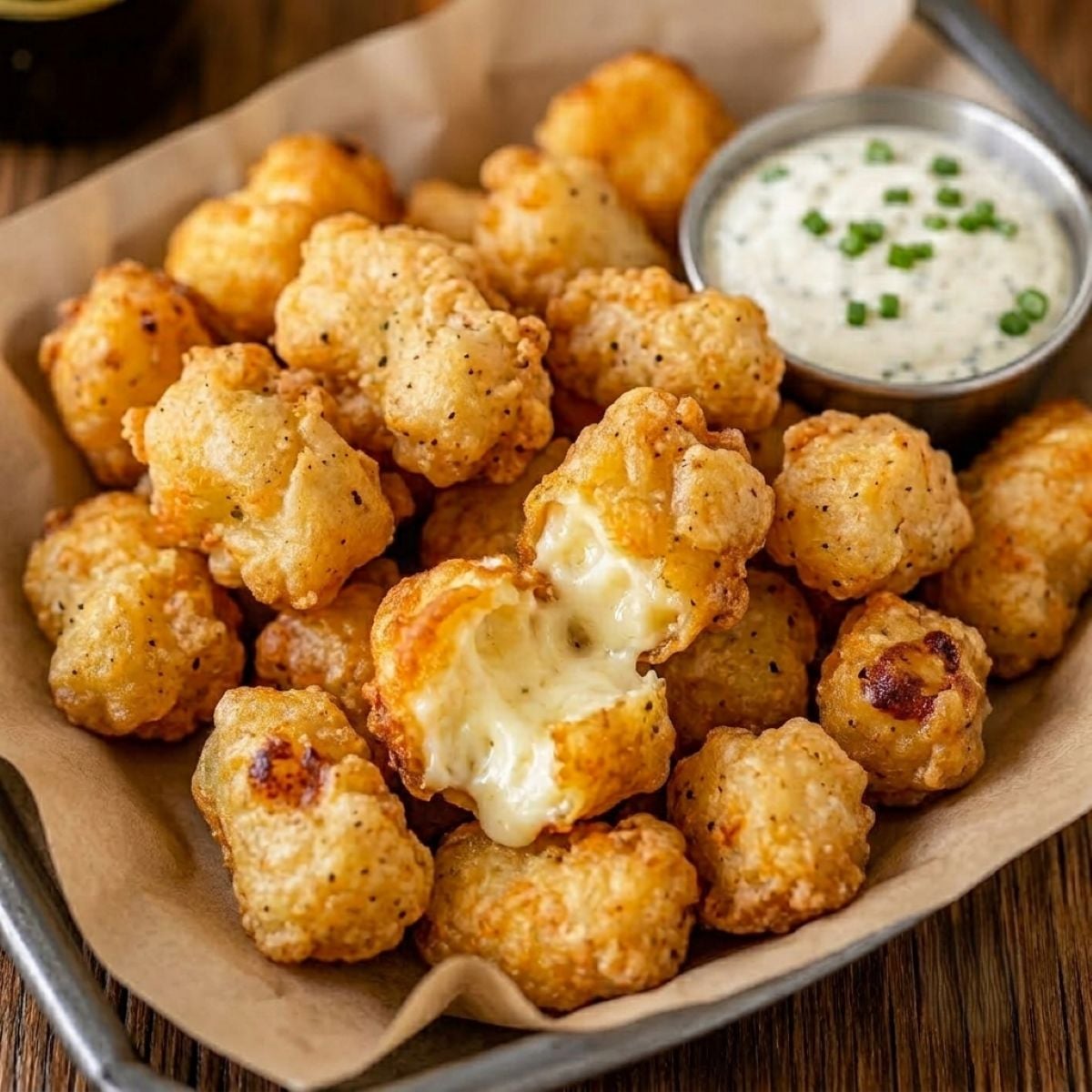
If you've only had frozen cheese curds at a restaurant, you're in for a treat. Homemade Wisconsin cheese curds have a light, crispy coating that gives way to warm, gooey cheddar with every bite.
This recipe uses fresh cheddar cheese curds coated in a simple seasoned batter and fried until golden brown. They're quick to make, perfect for sharing, and the ideal side dish for my Wisconsin Butter Burgers-or just about any backyard cookout or game day spread.
Whether you're cooking your way through my Forks in the Road series or simply looking for a fun appetizer that everyone will love, these homemade cheese curds bring one of Wisconsin's most famous foods right to your own kitchen.
A Note From My Kitchen
One of my favorite things I learned while researching Wisconsin food is that the best cheese curds aren't necessarily fried-they're fresh.
If you ask someone from Wisconsin, they'll probably tell you to skip the restaurant and head straight to the cheese factory. Fresh cheese curds are often sold the same day they're made, sometimes while they're still slightly warm. That's when they have the famous "squeak" everyone talks about. It's actually the proteins in the fresh cheese rubbing against your teeth, and the squeak starts to disappear after a couple of days. The curds are still delicious-they're just not quite as squeaky.
Living in Texas, I don't exactly have a Wisconsin creamery down the road, but I've had good luck finding fresh cheddar cheese curds at H-E-B in the specialty cheese case. They may not have been made that morning, but once they're coated in a light batter and fried until golden, I promise no one at the table will be complaining.
If you ever find yourself traveling through Wisconsin, though, do yourself a favor and stop at a local cheese factory. Grab a bag of fresh curds before you leave. Then you'll understand why Wisconsinites are so passionate about them.
~ Holly ❤️
This is part of my Forks in the Road: Recipes From Across America series, where week by week, I'll explore the foods and flavors of America and recreate the most popular recipes from all 50 states.
What Are Wisconsin Fried Cheese Curds?
Wisconsin fried cheese curds start with fresh cheddar cheese curds-the small, bite-sized pieces of cheese that form during the cheesemaking process before they're pressed into blocks and aged. Because they're so fresh, cheese curds have a mild cheddar flavor and a springy texture that's famous for its signature "squeak."
In Wisconsin, fresh cheese curds are a snack all on their own, often picked up from local cheese factories the same day they're made. But they're just as well known, battered and deep-fried until the outside is crispy and the cheese inside becomes warm, soft, and wonderfully gooey.
Today, fried cheese curds are a staple at Wisconsin supper clubs, taverns, breweries, county fairs, and sports bars. They're often served with ranch dressing, but they're just as good with marinara, spicy aioli, or your favorite dipping sauce.
Where to Buy Cheese Curds
If you don't live in Wisconsin, finding fresh cheese curds can feel like the hardest part of this recipe-but they're more common than you might think.
Check the specialty cheese case at your local grocery store rather than the dairy aisle. Here in Texas, I've had good luck finding fresh cheddar cheese curds at H-E-B, and some Central Market stores carry them as well. You may also find them at specialty cheese shops or farmers' markets.
If you can't find them locally, several Wisconsin creameries ship fresh cheese curds nationwide.
Don't worry if your cheese curds aren't squeaky anymore. While the freshest curds have that famous squeak, refrigerated curds still fry beautifully and taste every bit as delicious once they're coated in batter and cooked until golden brown.
For the most authentic Wisconsin fried cheese curds, look for plain white cheddar cheese curds. Yellow cheddar curds will work too, but white cheddar is the traditional choice.
Let's Gather Up the Ingredients
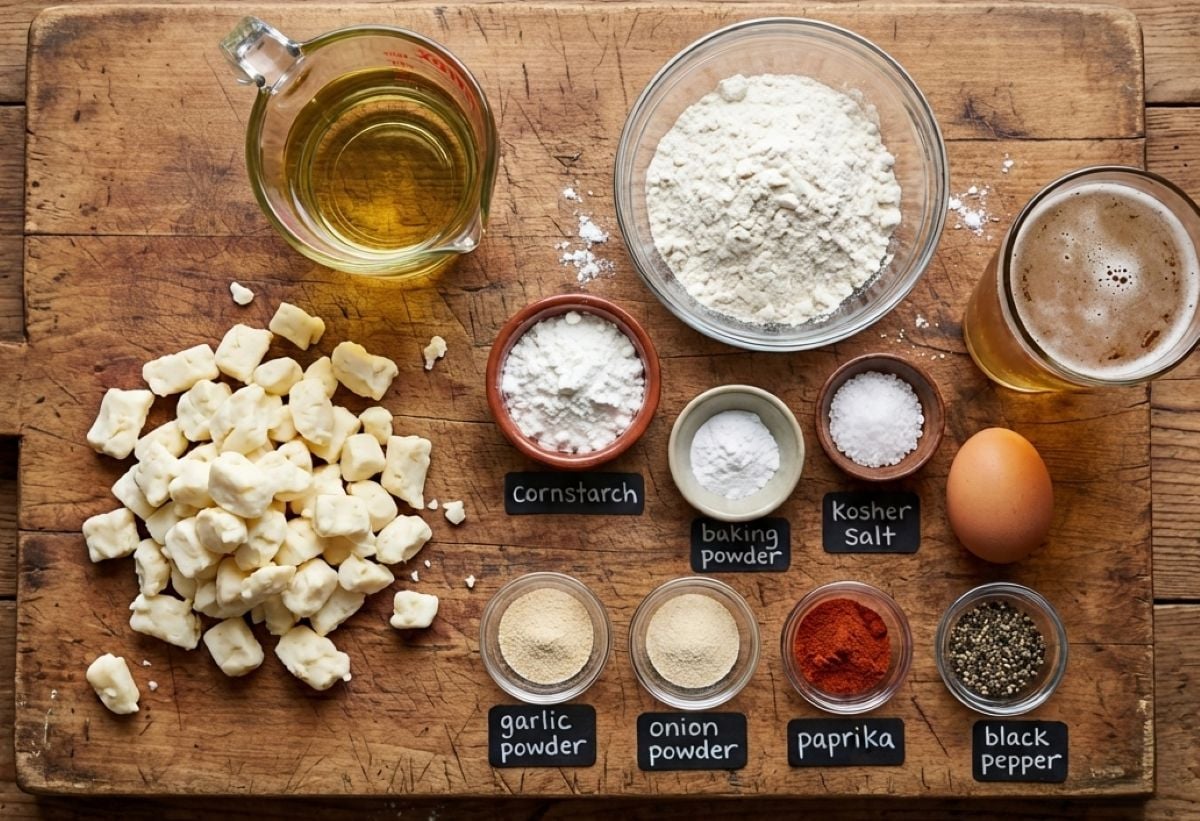
- White cheddar cheese curds are the star of the recipe. Fresh Wisconsin cheese curds are ideal, but refrigerated cheese curds from your local grocery store will still produce delicious results.
- All-purpose flour forms the base of the batter and helps create a crisp coating.
- Cornstarch keeps the batter light and gives the cheese curds an extra crispy exterior.
- Baking powder adds a little lift, creating a coating that's light instead of heavy.
- Garlic powder, onion powder, paprika, kosher salt, and black pepper season the batter without overpowering the mild cheddar flavor.
- Egg helps bind the batter together so it clings to each cheese curd.
- Cold beer or club soda creates a light, airy batter. The carbonation helps produce a crisp, delicate coating.
- Vegetable oil or peanut oil are both excellent choices for frying because of their neutral flavor and high smoke point.
How to Make Wisconsin Fried Cheese Curds
Heat the oil. Pour 2 to 3 inches of vegetable or peanut oil into a heavy Dutch oven or deep skillet and heat it to 375°F. Keeping the oil at the right temperature is the key to a light, crispy coating.
Mix the dry ingredients. In a large bowl, whisk together the flour, cornstarch, baking powder, garlic powder, onion powder, paprika, kosher salt, and black pepper.
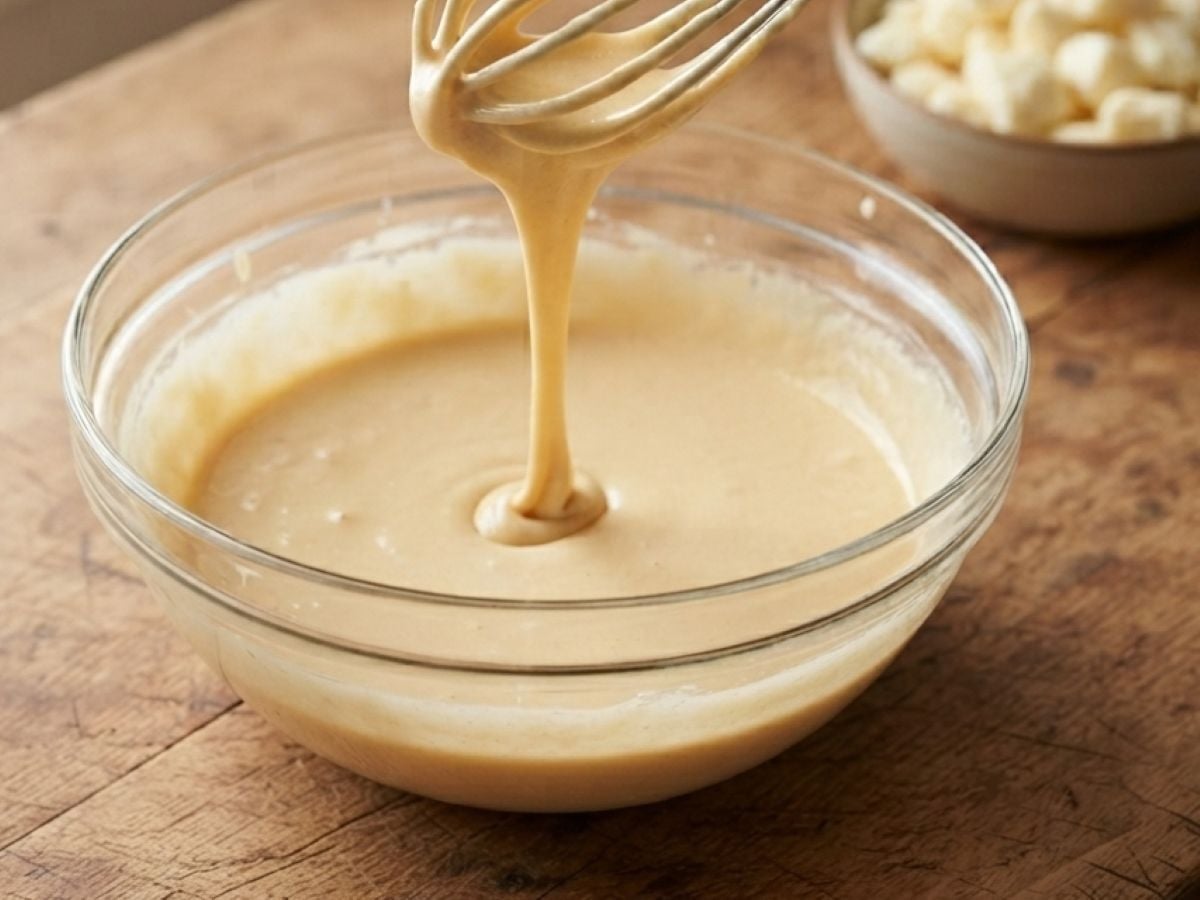
Make the batter. Add the egg, then slowly whisk in the cold beer or club soda until the batter is smooth and thick enough to coat the back of a spoon.
Prepare the cheese curds. Pat the cheese curds dry with paper towels. If they've been refrigerated, let them sit at room temperature for about 10 minutes while you finish preparing the batter.
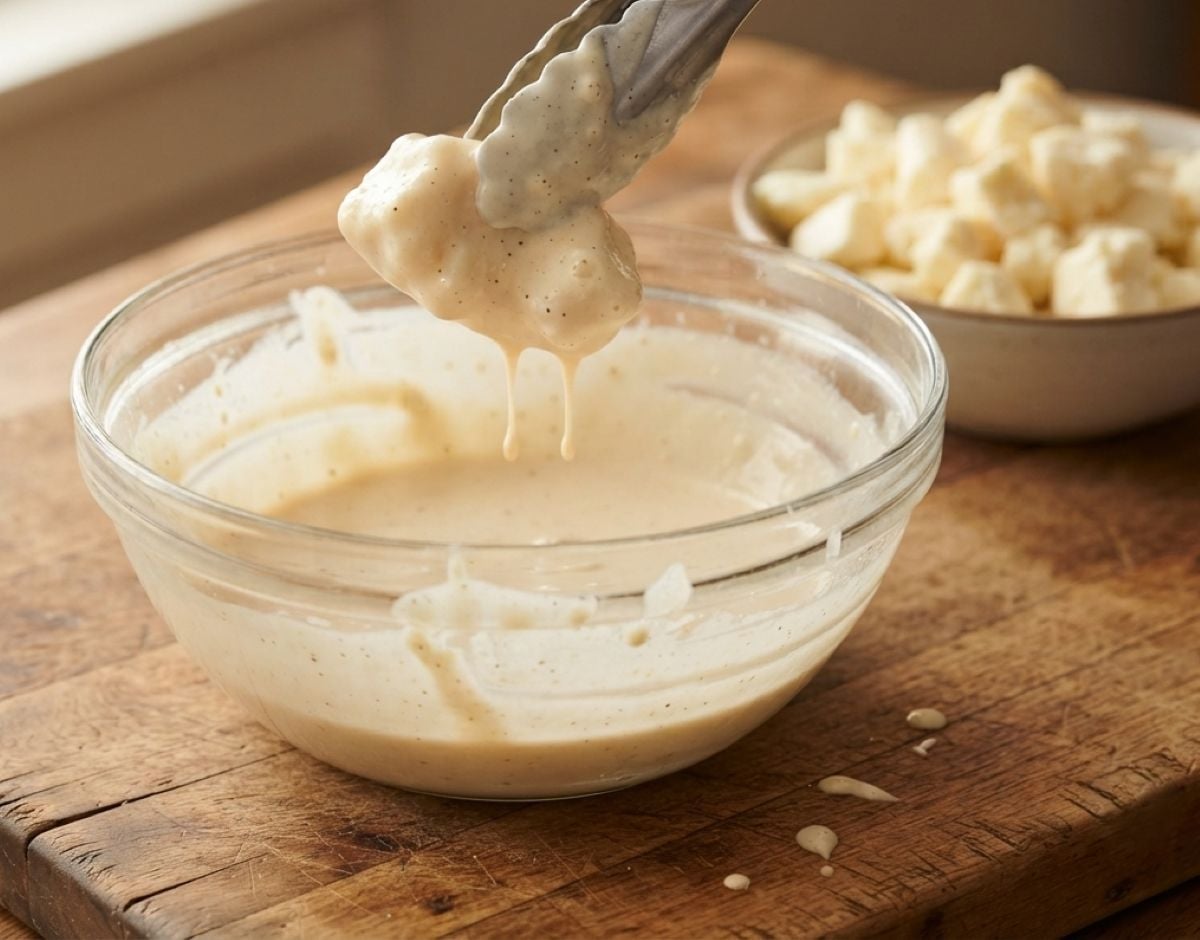
Coat the curds. Working in small batches, dip the cheese curds into the batter, allowing any excess to drip back into the bowl before carefully lowering them into the hot oil.
Fry until golden. Fry for 2 to 3 minutes, turning occasionally, until the batter is crisp and lightly golden. Avoid overcrowding the pan, as this can lower the oil temperature and make the coating greasy.
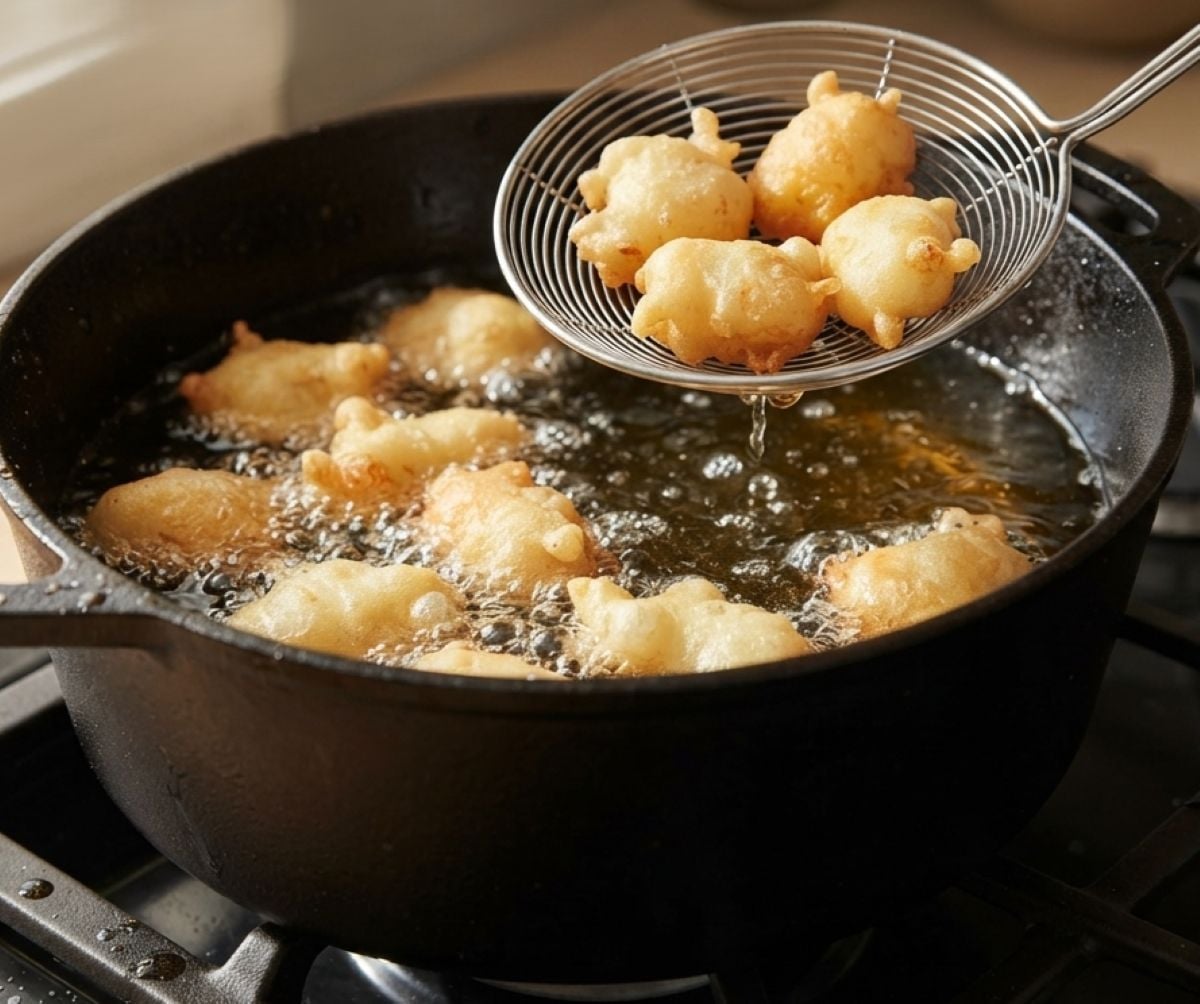
Drain and season. Transfer the fried cheese curds to a paper towel-lined plate or wire rack and sprinkle lightly with kosher salt while they're still hot.
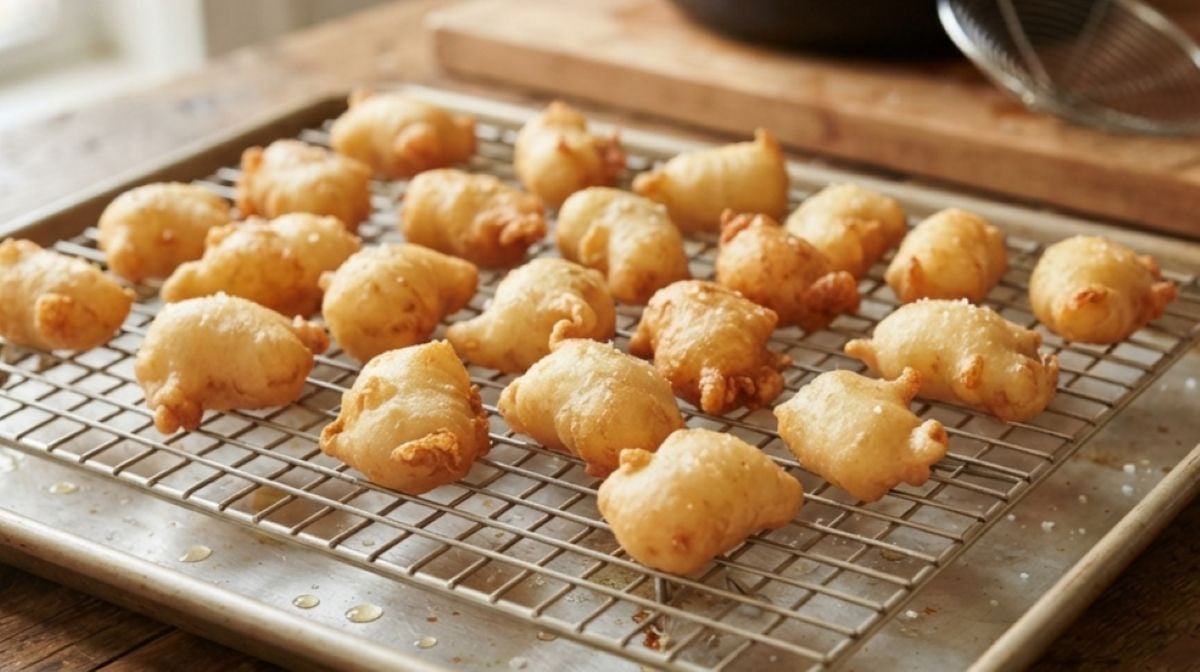
Serve immediately. Wisconsin fried cheese curds are at their very best straight from the fryer while the cheese is warm, soft, and perfectly gooey.
Tips for Success
- Use cold beer or club soda. The colder the batter, the lighter and crispier the coating will be.
- Pat the cheese curds dry. Removing excess moisture helps the batter stick better and prevents splattering when the curds hit the hot oil.
- Keep the oil at 375°F. If the oil gets too cool, the batter will absorb oil and become greasy. If it's too hot, the coating can brown before the cheese has time to soften.
- Fry in small batches. Overcrowding the pan causes the oil temperature to drop and can leave you with soggy cheese curds instead of crispy ones.
- Serve them right away. Fried cheese curds are at their best fresh from the fryer, while the coating is crisp and the cheese is warm and gooey.
- Use a thermometer. A clip-on or instant-read thermometer takes the guesswork out of frying and helps you get consistent results every time.
Storage and Reheating
Fried cheese curds are best enjoyed fresh, but if you happen to have leftovers, you can store them in an airtight container in the refrigerator for up to 3 days.
To reheat, place the cheese curds in a 375°F oven or air fryer for 3 to 5 minutes, or until the coating is crisp and the cheese is warmed through. Avoid reheating them in the microwave, as the coating will become soft and the cheese can turn rubbery.
Can I Freeze Cheese Curds?
You can freeze leftover fried cheese curds for up to 2 months. Let them cool completely, then freeze them in a single layer on a baking sheet before transferring them to a freezer-safe bag or container.
Reheat them straight from frozen in a 375°F oven or air fryer until hot and crispy. While the texture won't be quite as good as freshly fried, they're still a great option for an easy snack or appetizer.
Frequently Asked Questions
For authentic Wisconsin fried cheese curds, you'll want to use fresh cheddar cheese curds. Mozzarella has a different texture and won't give you the same flavor or classic cheese pull.
Choose a neutral oil with a high smoke point, such as vegetable, peanut, or canola oil. These oils allow the batter to become crisp without adding extra flavor.
This usually happens when the cheese curds are wet or the oil isn't hot enough. Pat the curds dry before dipping them in the batter, and keep the oil close to 375°F throughout the cooking process.
What to Serve with Wisconsin Fried Cheese Curds
Wisconsin fried cheese curds are often served as an appetizer, but they're just as good alongside a Wisconsin-inspired meal.
For a classic tavern-style dinner, pair them with my Wisconsin Butter Burgers and German Potato Salad (a nod to the German immigrants who helped shape Wisconsin's food traditions). If you're looking for something to drink, a Wisconsin Brandy Old Fashioned would fit right in. Finish the meal with a scoop of frozen custard for the full Wisconsin experience.
They're also delicious with a variety of dipping sauces:
| Dipping Sauce | Why You'll Love It |
|---|---|
| Ranch Dressing | The classic choice served in many Wisconsin taverns. |
| Marinara Sauce | A tangy option that pairs surprisingly well with melty cheddar. |
| Spicy Aioli | Adds a little heat and richness. |
| Honey Mustard | Sweet, tangy, and great for kids and adults alike. |
| Jalapeño Ranch | Creamy with just the right amount of heat. It's my favorite dipping sauce for these crispy cheese curds. |
If you are enjoying my Forks in the Road series, check out more of the classic recipes I have adapted from around the United States.


Cooking for two these days?
That's exactly why I created the first Two at the Table 12-Week Bundle. Inside you'll find 12 weeks of menus for two, each with a grocery list and five connected dinners built around overlapping ingredients, so you make one grocery run and actually use what you buy. No more forgotten herbs, half-used packages, or random ingredients hiding in the back of the refrigerator.
Get the 12-Week Bundle →
Wisconsin Fried Cheese Curds
Equipment
- Dutch oven or deep, heavy skillet
- Deep-fry thermometer
- Mixing bowls
- Whisk
- Slotted spoon or spider strainer
- Wire rack or paper towel-lined baking sheet
- Measuring cups and spoons
Ingredients
For the Cheese Curds
- 1 pound white cheddar cheese curds
- Vegetable or peanut oil for frying
For the Batter
- 1 cup all-purpose flour
- ¼ cup cornstarch
- 1 teaspoon baking powder
- 1 teaspoon kosher salt
- 1 teaspoon garlic powder
- ½ teaspoon onion powder
- ½ teaspoon paprika
- ¼ teaspoon black pepper
- 1 large egg
- ¾ cup cold beer or club soda
Instructions
- Pour 2 to 3 inches of oil into a Dutch oven or deep skillet and heat to 375°F.
- In a large mixing bowl, whisk together the flour, cornstarch, baking powder, kosher salt, garlic powder, onion powder, paprika, and black pepper.
- Add the egg and slowly whisk in the cold beer or club soda until the batter is smooth and thick enough to coat the back of a spoon.
- Pat the cheese curds dry with paper towels. Let them sit at room temperature for about 10 minutes while the oil finishes heating.
- Working in small batches, dip the cheese curds into the batter, allowing any excess to drip off.
- Carefully lower the battered cheese curds into the hot oil. Fry for 2 to 3 minutes, turning occasionally, until lightly golden brown.
- Remove the cheese curds with a slotted spoon and place them on a wire rack or paper towels to drain. Sprinkle lightly with kosher salt while still hot.
- Serve immediately with jalapeño ranch, ranch dressing, marinara sauce, honey mustard, or spicy aioli.
Notes
- Cold batter creates the crispiest coating.
- Fry in small batches to keep the oil at 375°F.
- Fresh cheese curds are best, but refrigerated cheese curds work beautifully.
- Club soda is an excellent substitute for beer.
- These are best served immediately after frying.
Nutrition Facts
Approximate per serving - based on 6 appetizer servings| Calories | 320 |
| Protein | 14g |
| Carbohydrates | 18g |
| Fat | 21g |
| Fiber | 1g |
| Sodium | 590mg |
DID YOU MAKE THIS RECIPE?
I'd love to know how it turned out! Leave a review or snap a quick photo and tag me on Facebook.
Every time you share one of my recipes, it helps me grow this blog-and I'm so grateful for your support.
As always, I will be back next week with more delicious recipes from my RV kitchen to yours!
This post may contain affiliate links. Read my full disclosure policy.
Learn how to get Amazon deliveries straight to your RV.

If you are into connecting with people through food and are inspired by new places and experiences, subscribe to my newsletter, Detour Ahead!
Simple recipes, small adventures, and stories from the road.


Leave a Reply